COMMERCIAL & ARCHITECTURAL APPLICATIONS

A building’s facade is its first impression, and it has to keep performing long after handover. For commercial, retail, institutional and architectural projects, the walling material has to balance appearance, durability and lifecycle cost over decades of heavy use.

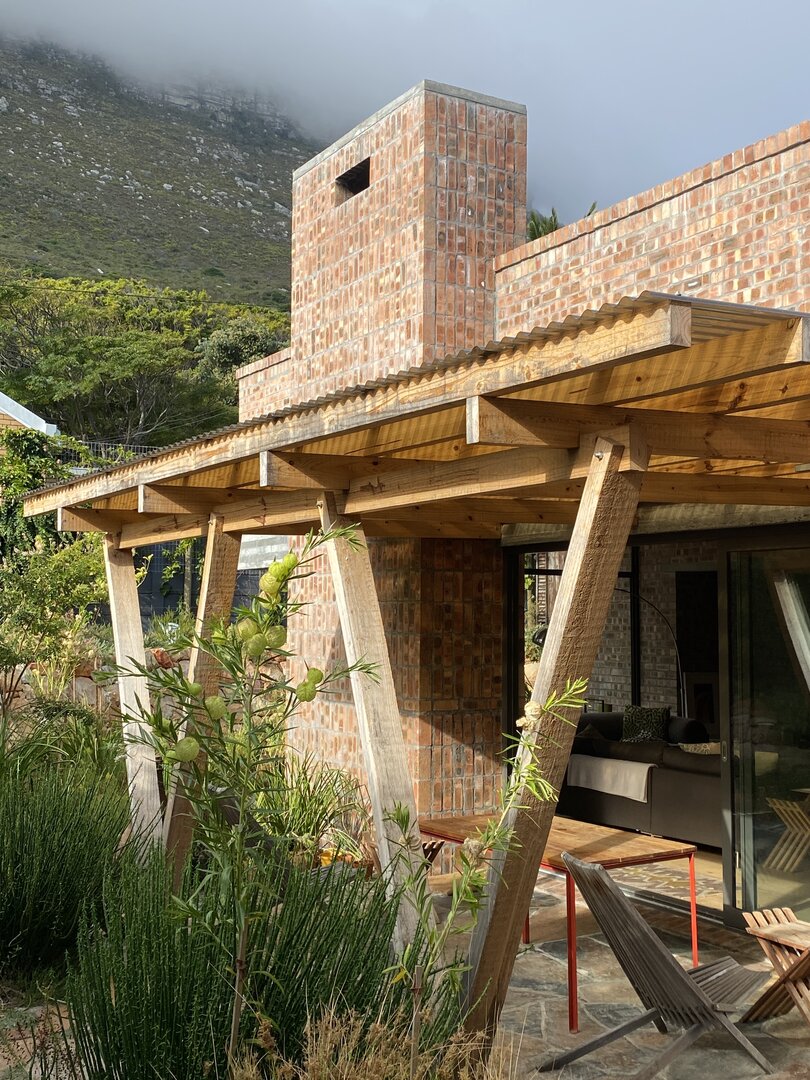
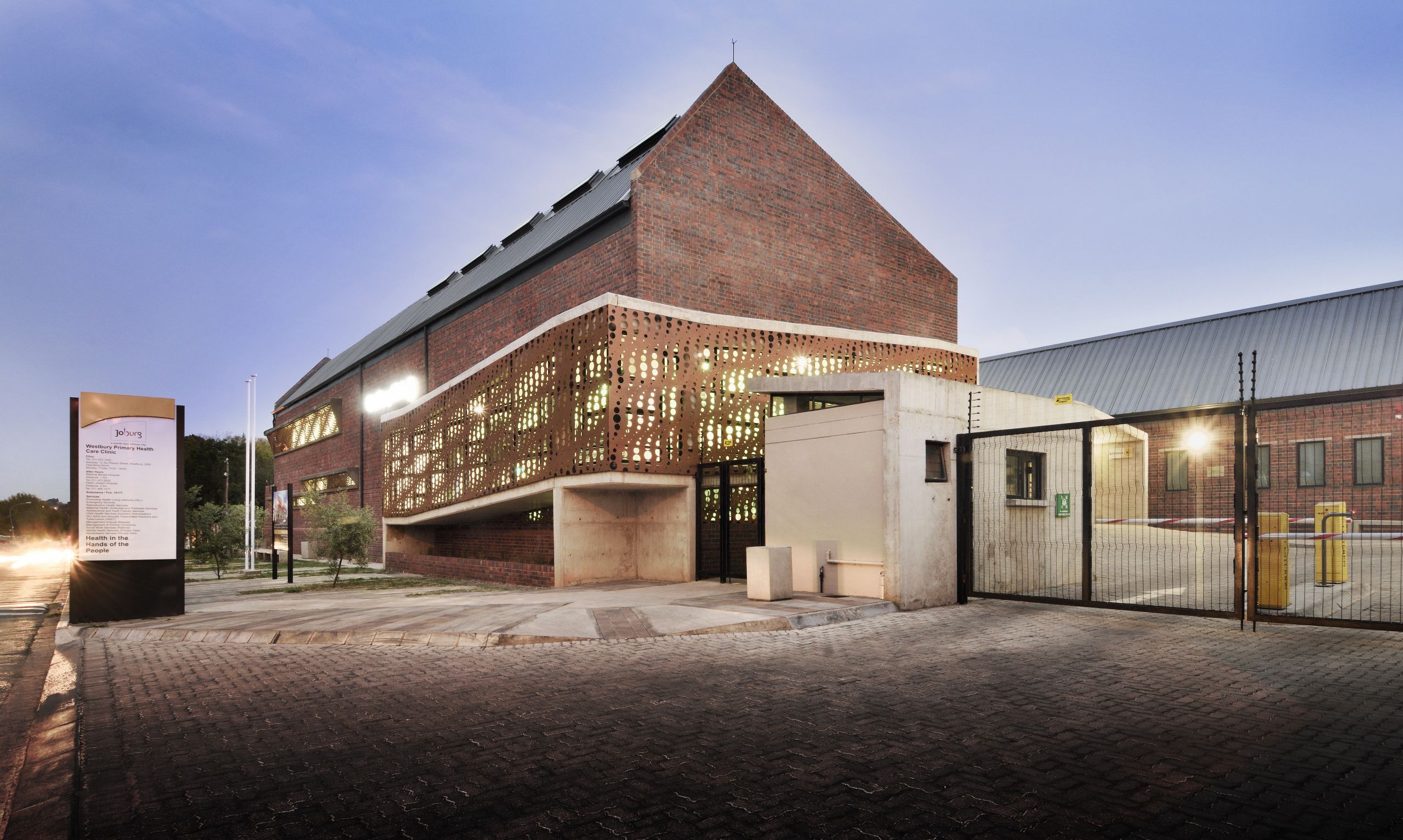
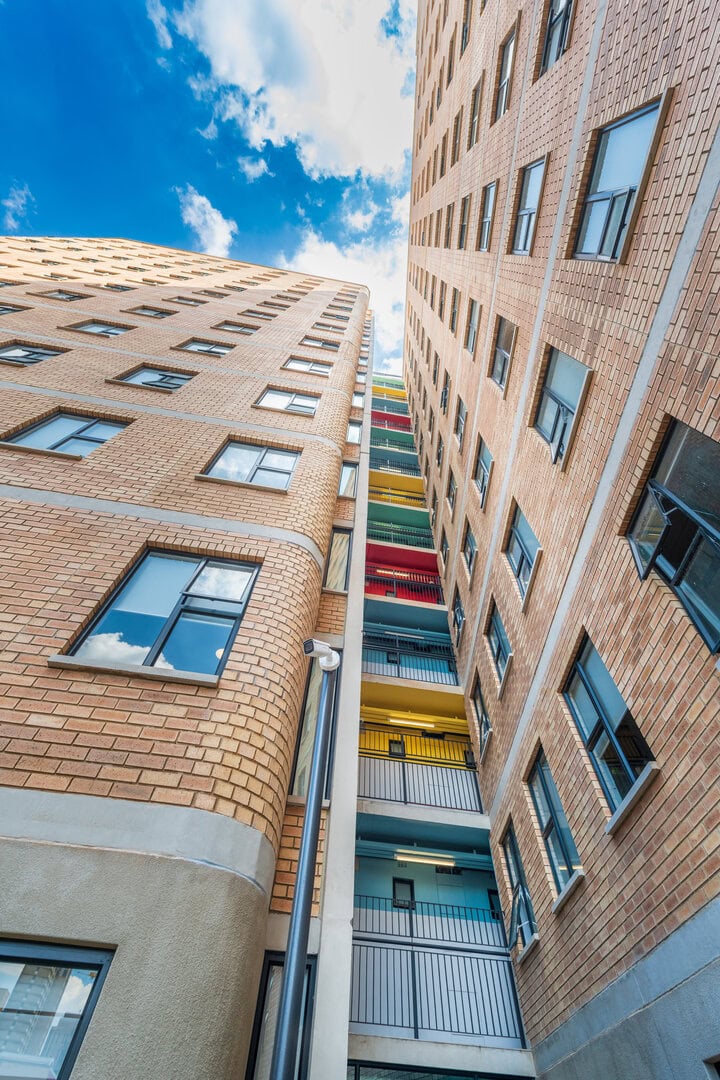
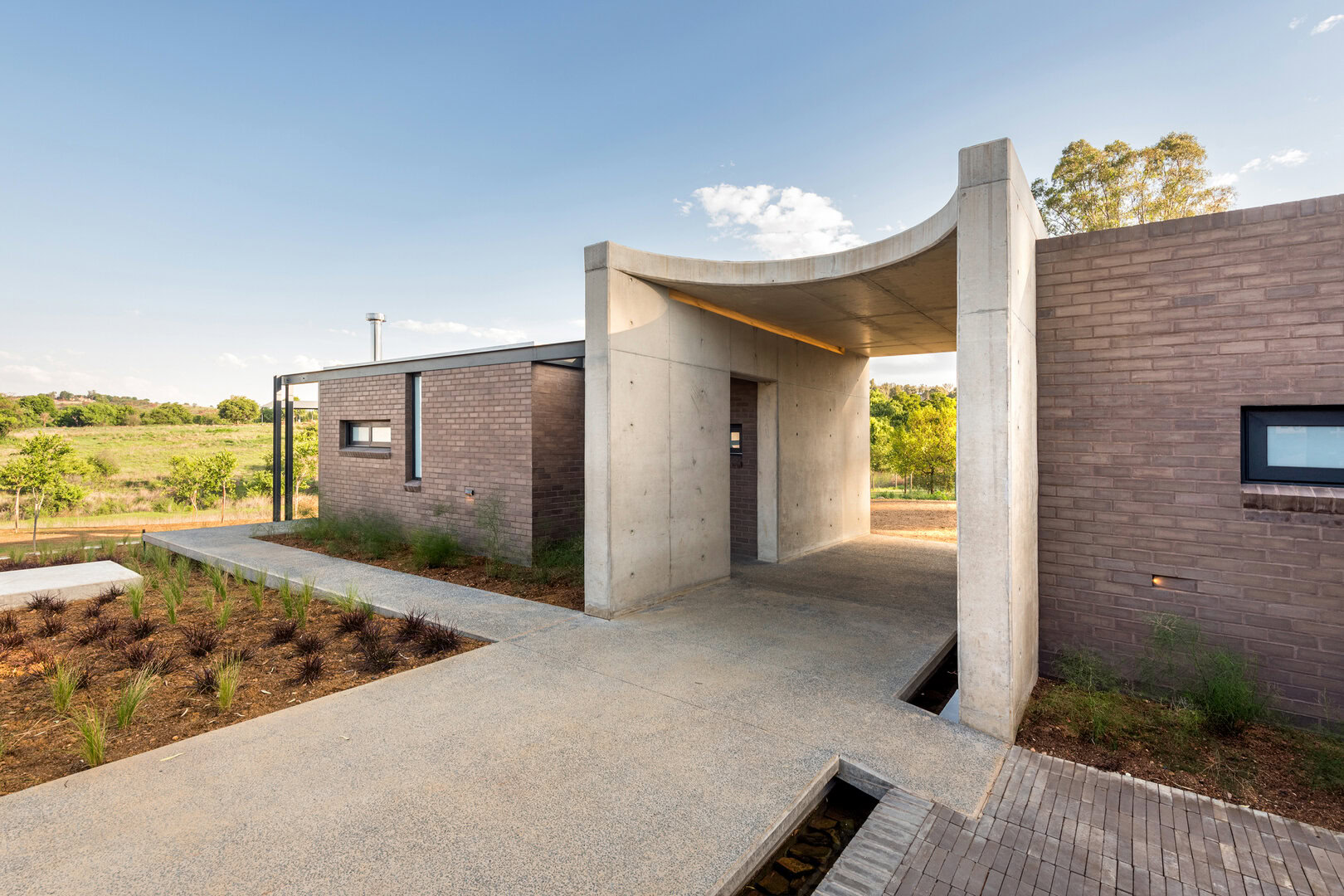
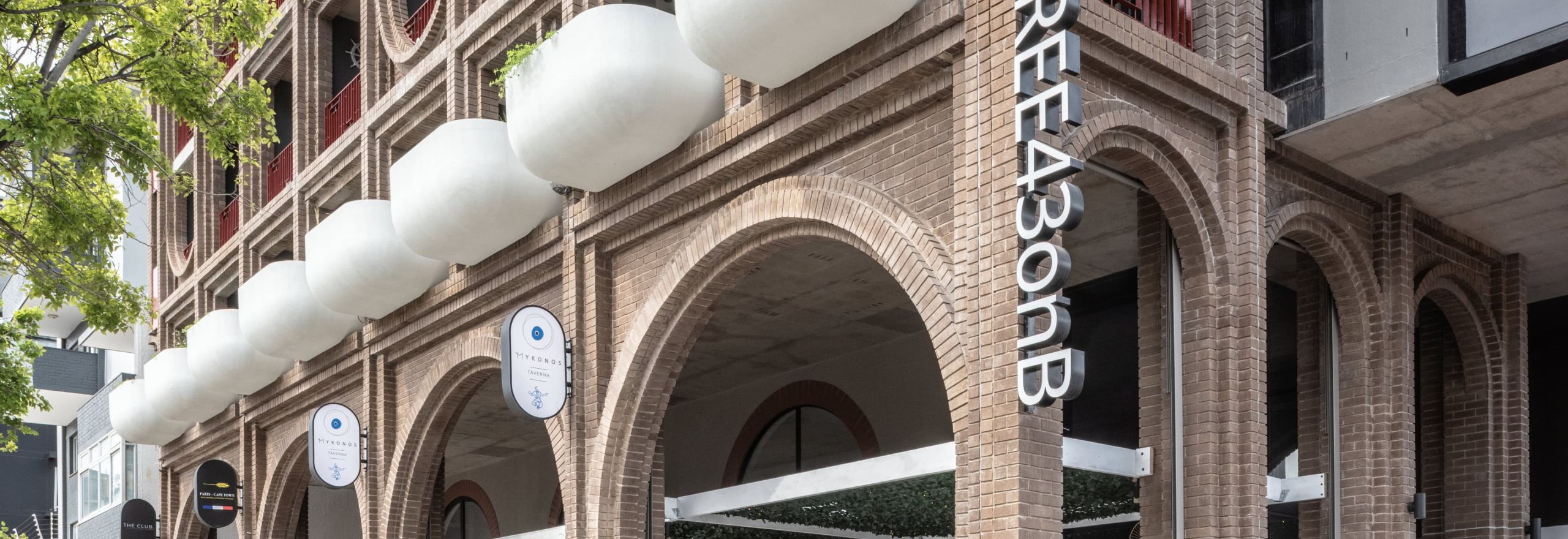
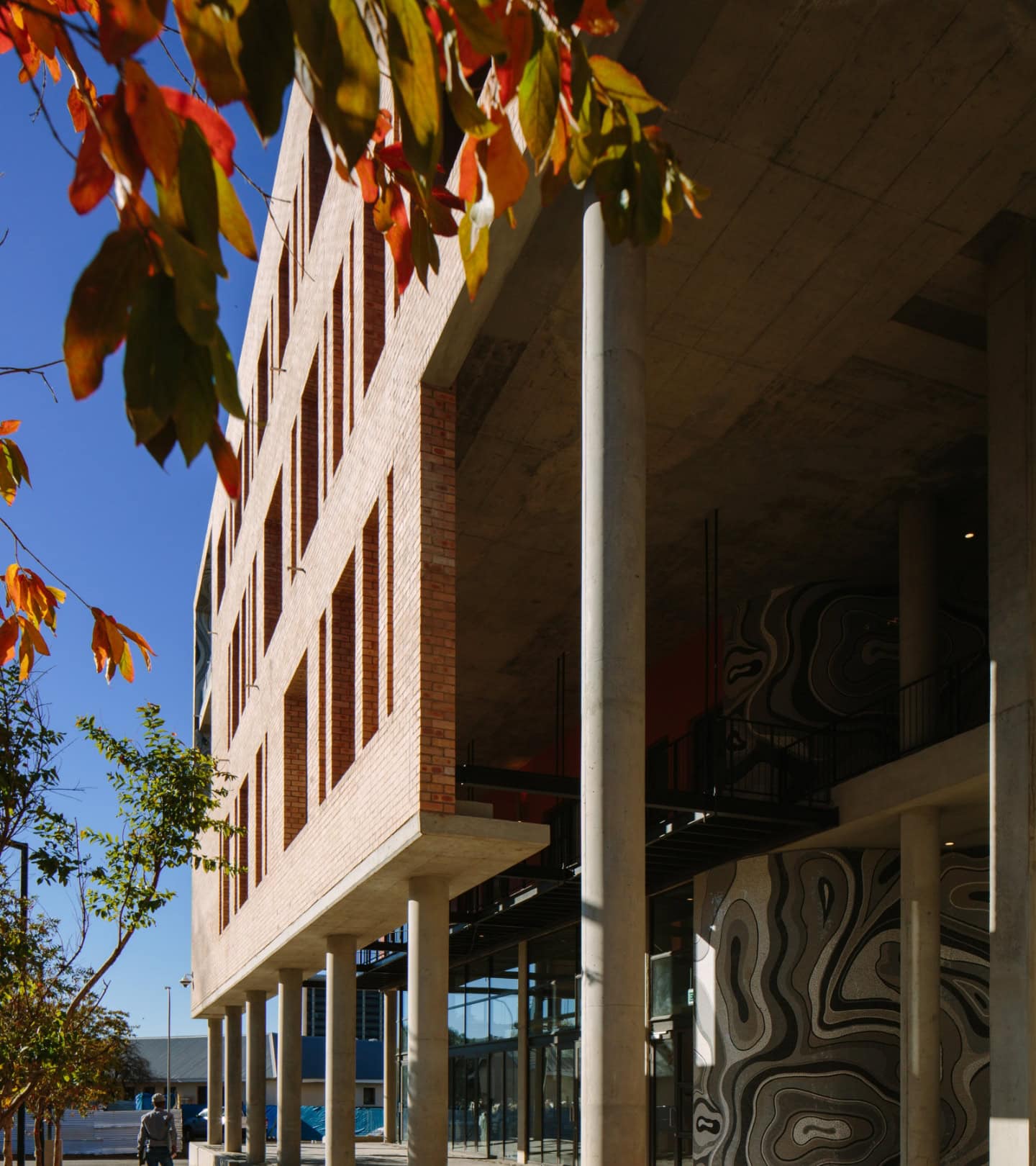
Corobrik clay face bricks are specified on office buildings, retail centres, educational and institutional projects across South Africa. They carry their colour for the life of the building, never need painting or recoating, and deliver natural thermal and acoustic performance that supports more comfortable, lower-running-cost buildings. With over 60 products and full classification guidance, there is a face brick to suit almost any specification.

FACADES & FEATURE WALLS

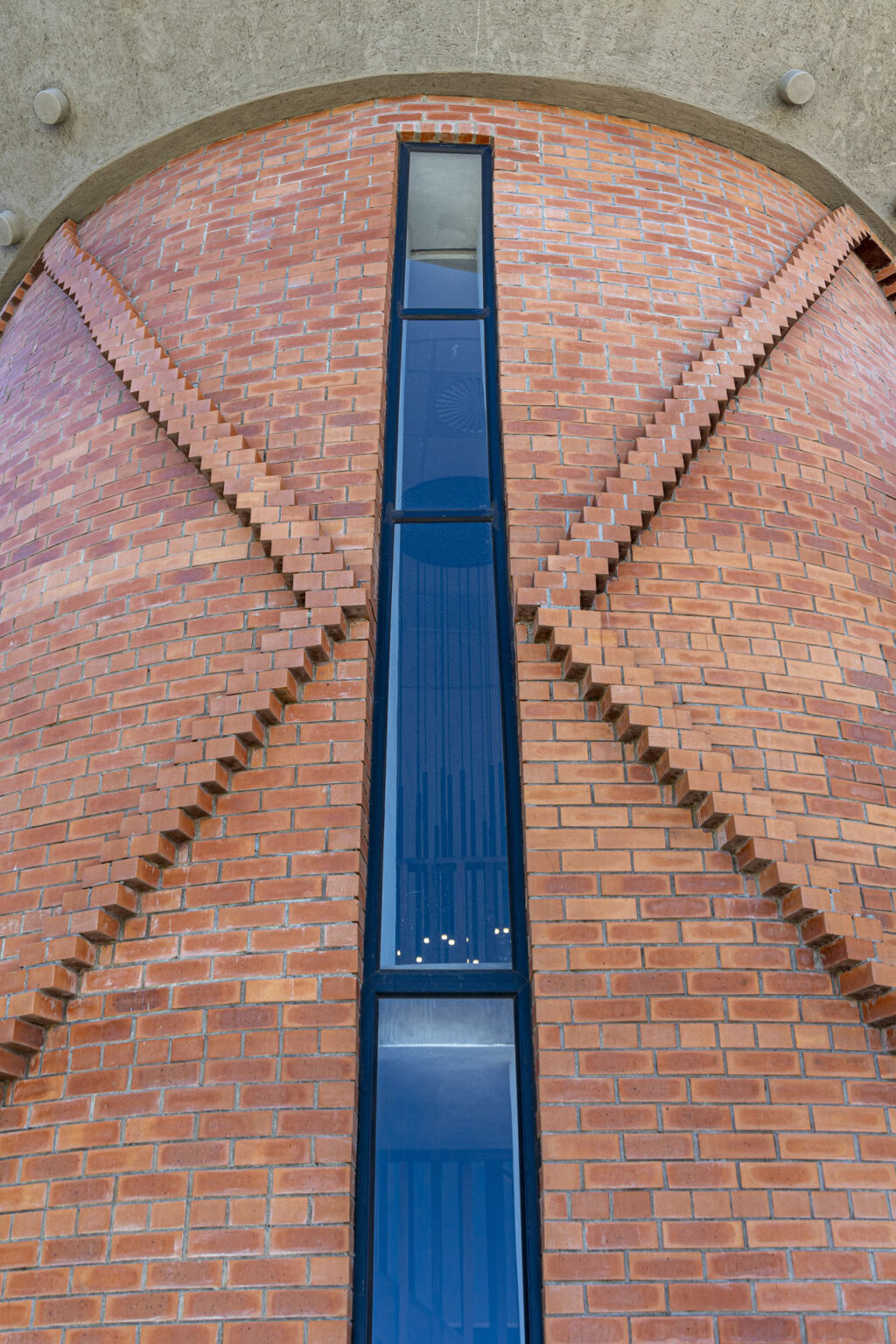
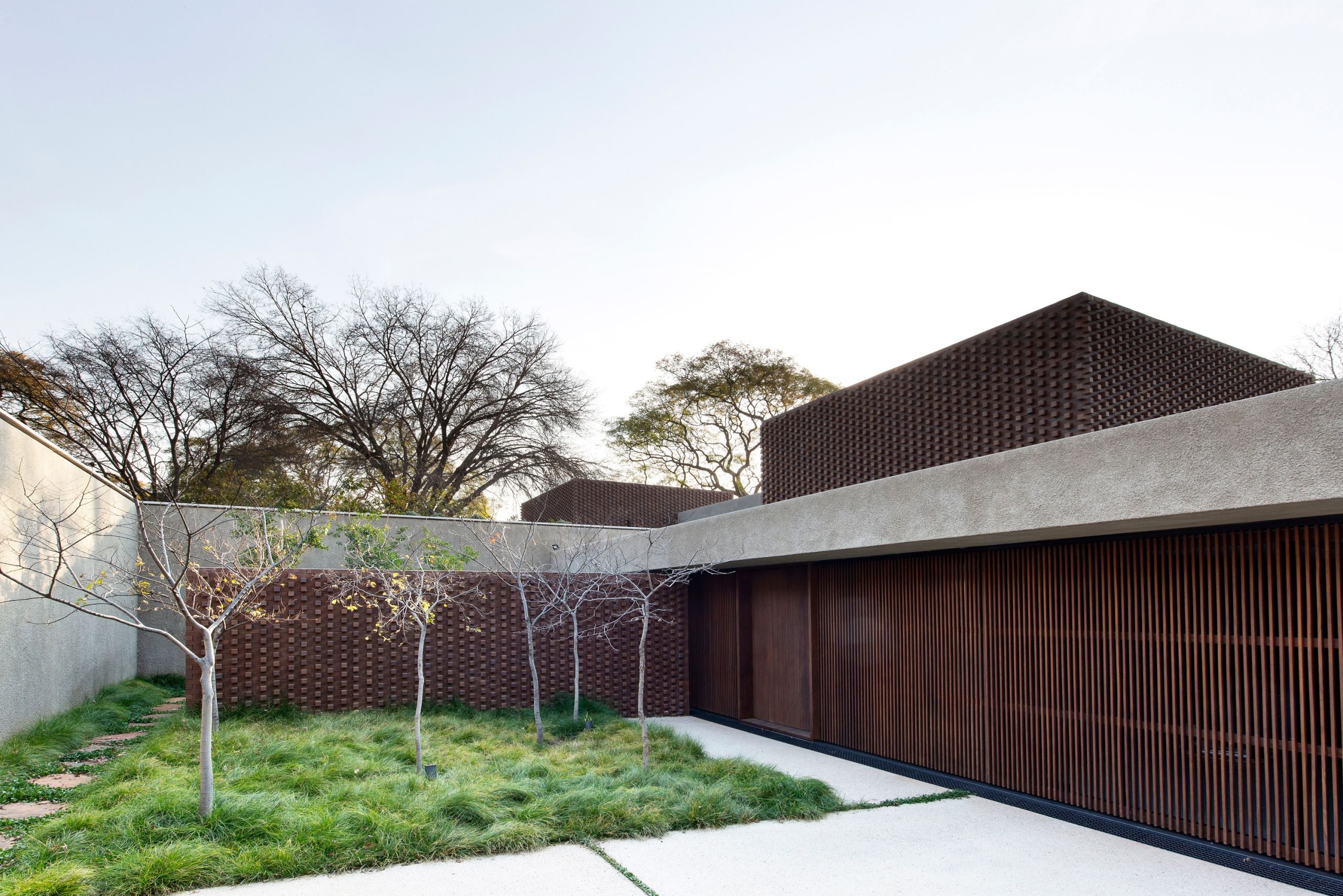
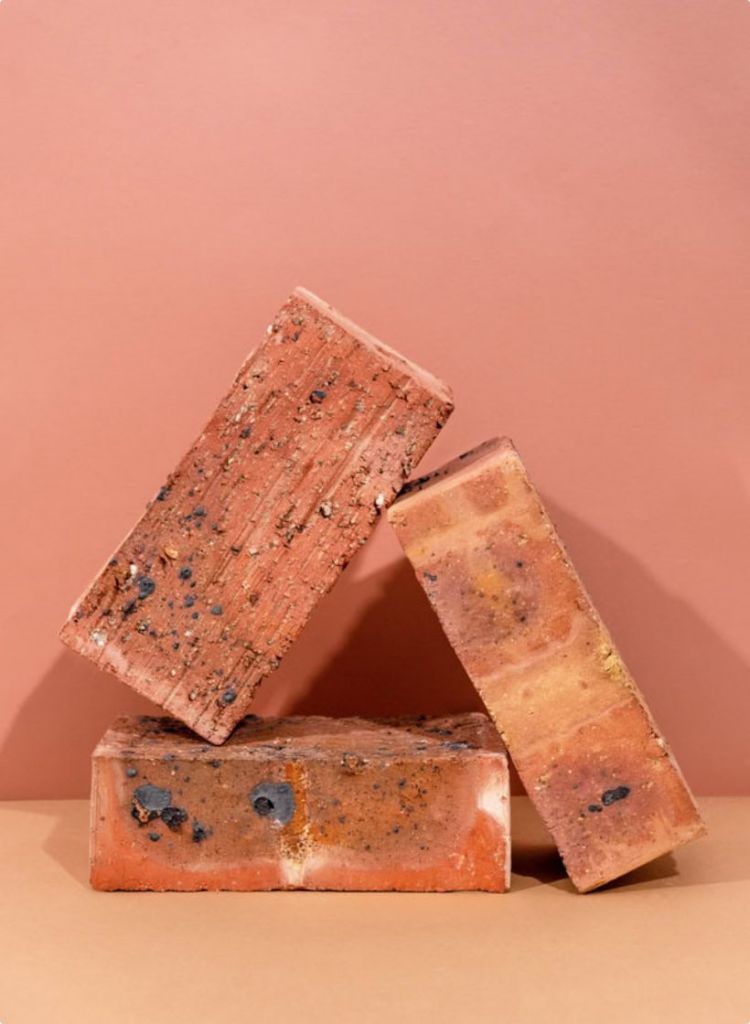
Clay face brick is a proven choice for high-exposure commercial environments. It resists weathering, carries no maintenance burden of repainting or sealing, and ages gracefully rather than degrading. For architects, it offers a material palette of warm earth tones, cool greys and neutral shades that can define a building’s identity, from a restrained corporate facade to a bold architectural feature wall.

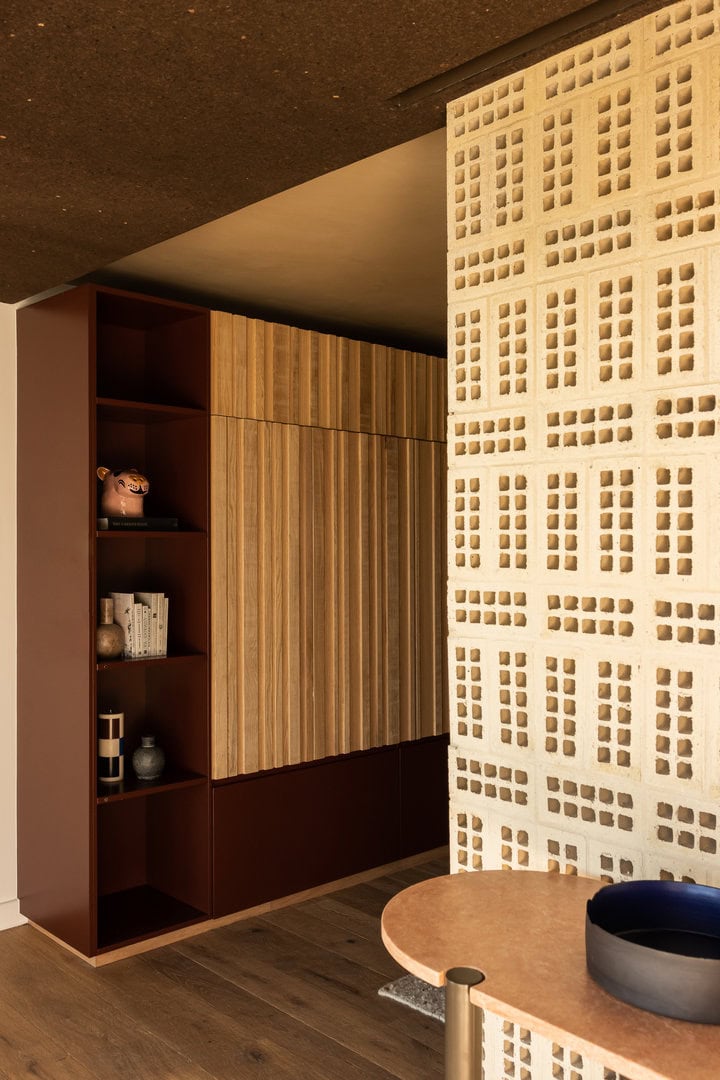
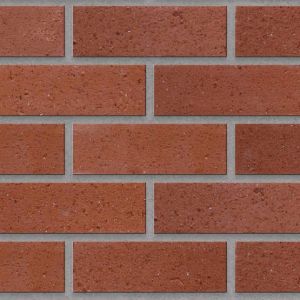
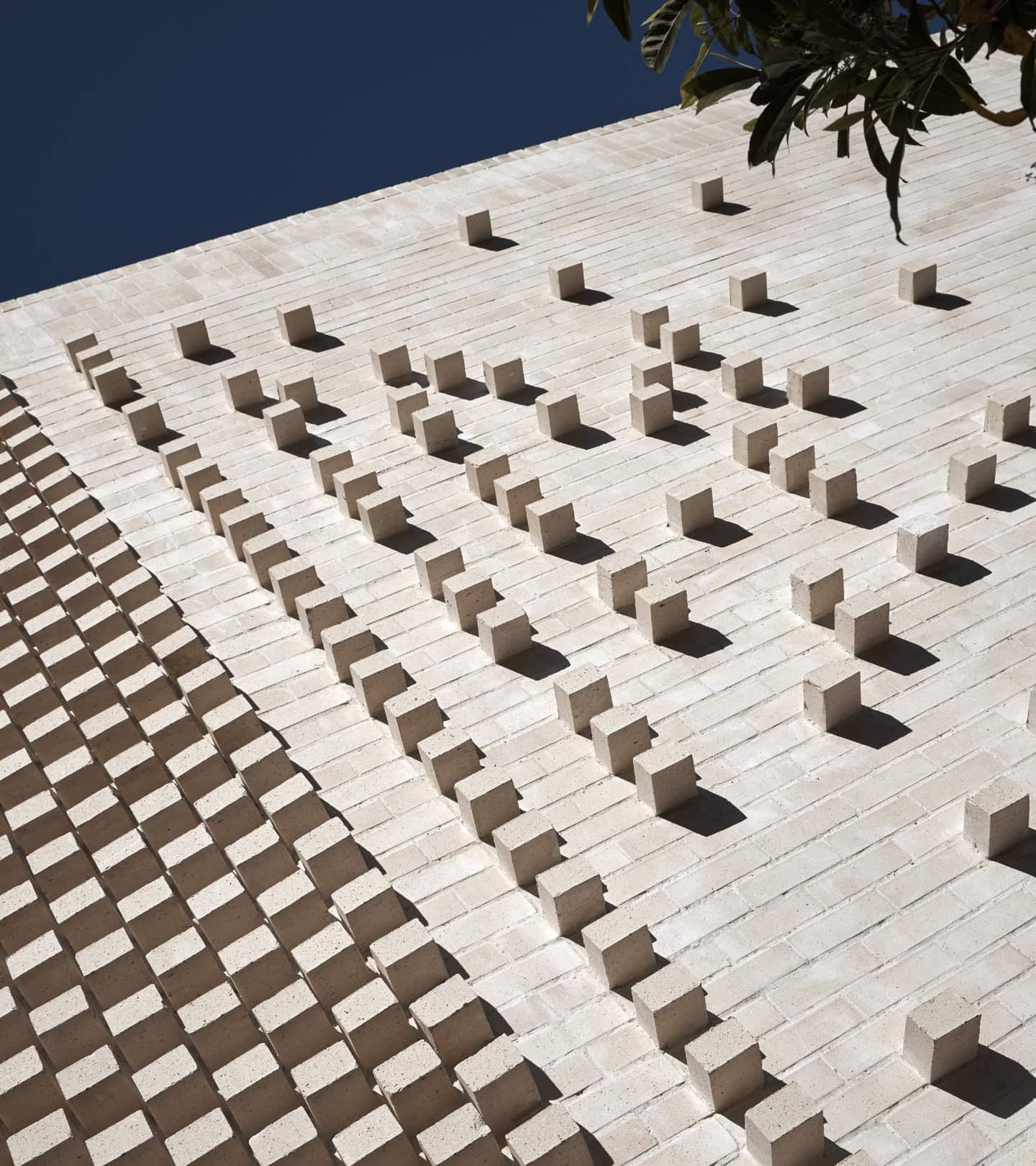
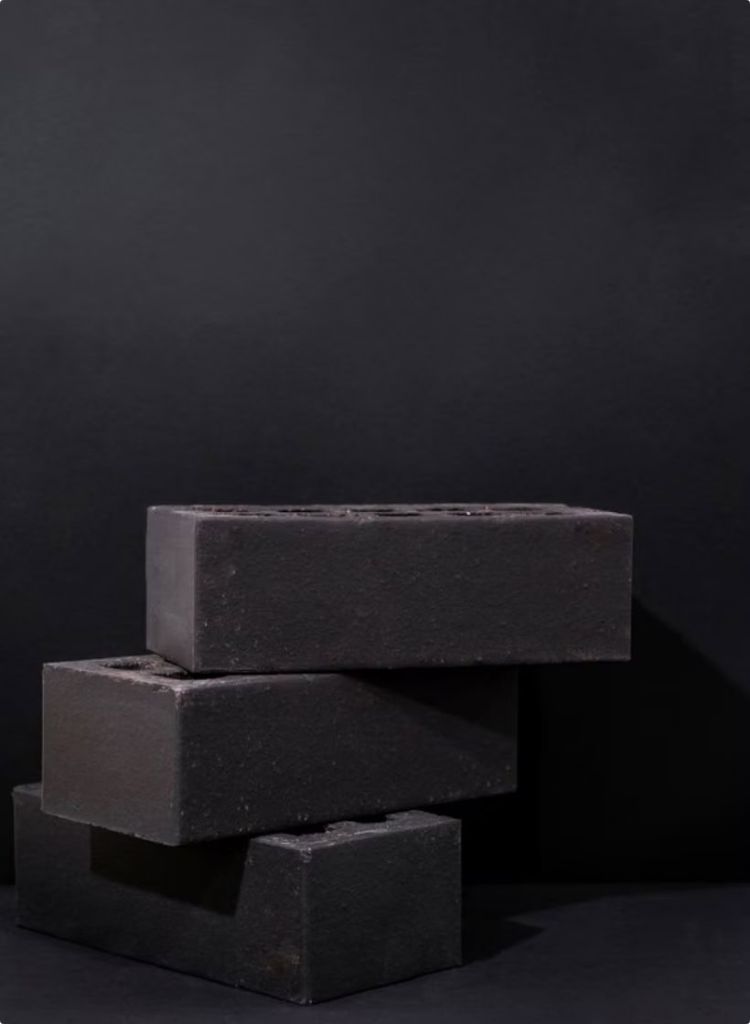
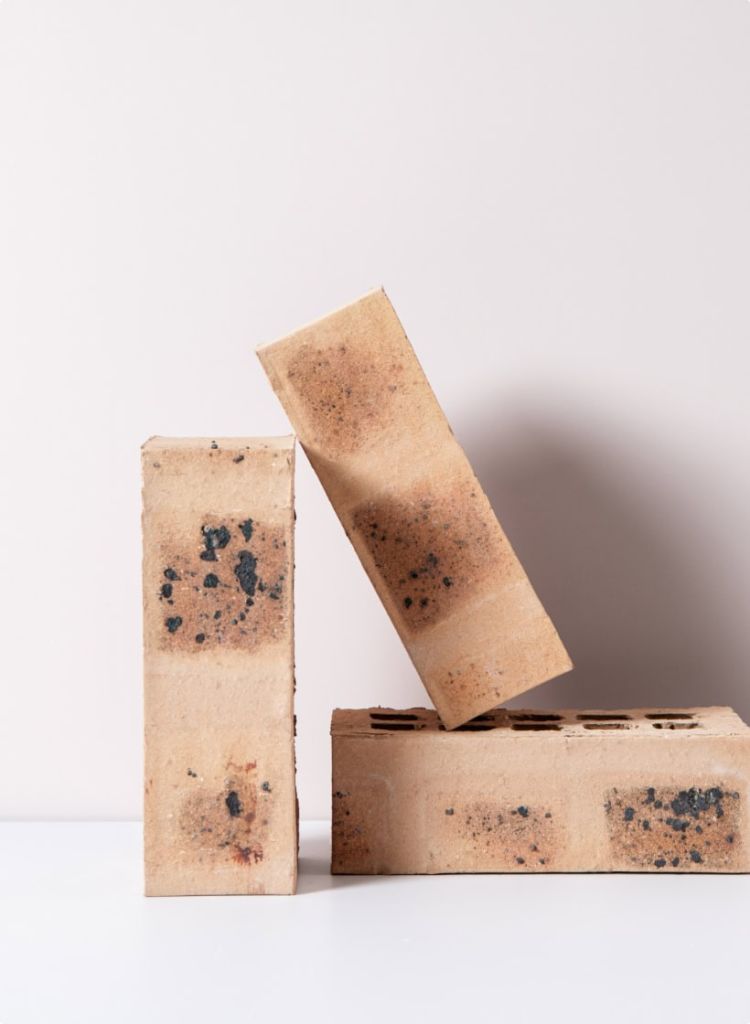
The Corobrik standard face brick range gives specifiers the widest single-manufacturer selection in the country. For contemporary commercial work, the Slimline range offers a sleek, elongated profile, and the Breezeblock provides a perforated screening element for facades, courtyards and feature walls that play with light and shadow.

SPECIFYING FOR HIGHER-EXPOSURE ENVIRONMENTS

Commercial projects often call for a higher classification than a typical home. Corobrik’s classification guide explains the difference between the three face brick grades so specifiers can match the brick to the exposure conditions.

WHY SPECIFY CLAY FACE BRICK?

For decision-makers weighing materials on a commercial project, the case for clay face brick rests on lifecycle performance rather than upfront cost alone.

Lowest Lifecycle Cost

Face brick needs no painting, coating or sealing under normal conditions, removing the recurring recoating costs that plastered-and-painted facades carry every few years over a building’s life.

Thermal Performance

Clay brick walls absorb and slowly release heat, buffering internal temperatures and reducing reliance on heating and cooling, which lowers running costs.

Acoustic Performance

The density and thickness of clay brickwork make it a natural sound barrier, resisting airborne sound transmission for quieter interiors, valuable in offices, schools and mixed-use buildings.

Fire Resistance

Fired at between 800°C and 1 000°C, clay face brick cannot burn and does not add to the fire load of a building, unlike combustible cladding materials.